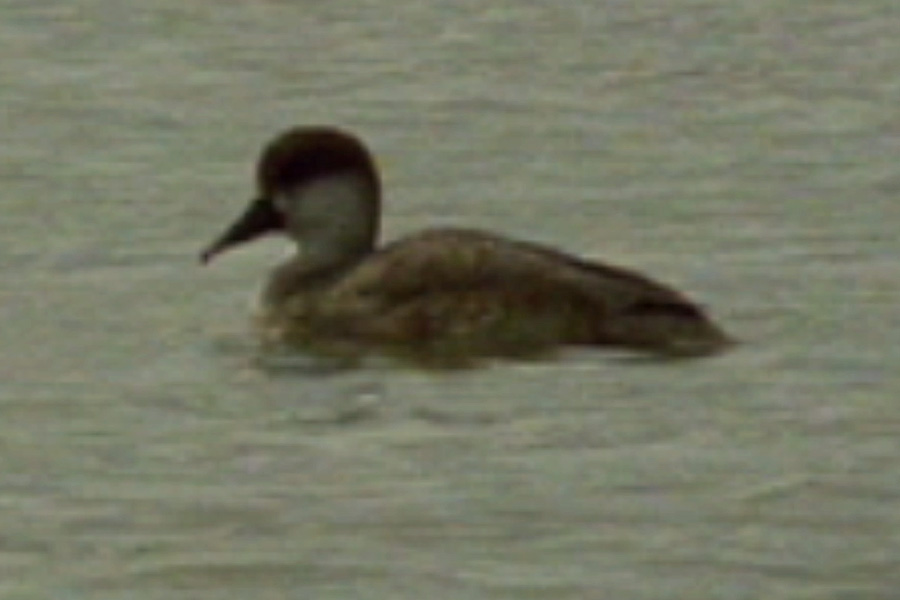
FERRUGINOUS DUCK(m) A diving duck. A regular winter visitor to Cyprus but arriving only in small numbers, seen hiding amongst the water vegetation. A gregarious bird overwintering in flocks with tufted ducks and pochards, It prefers standing freshwater, but will tolerate saltwater, with a preference for well vegetated shallow water. Feeds on aquatic vegetation, invertabrates and small fish. Forms pairs in January before flying back north to its breeding ground, most notably on the Danube in Romania. Here it builds its floating nest in dense reedbeds, laying eggs in April. The chicks are incubated for 25-27 days, fledging afyer 55-60 days. After breeding they gather in large flocks to moult and regrow their feathersbefore taking off on their southerly migration from August to October. The ferrugiinouds duch has suffered a more than 20% decline in Europe in recent years as its wetland nesting sites are drained for agriculture, polluted by untreated sewage or abandoned to scrubland.

RED CRESTED POCHARD (m) A gregarious diving duck. A common visitor to Cyprus arriving from October seeking out deep freswater or brackish ponds. Leaving in April for breeding grounds in Russia, and in Europe. In Europe 90% fly to Spain with a small percentage breeding as far north as Netherlands Germany and UK. Affter breeding the males and non breeders fly to moulting sites to spend four weeks flightless replacing flight feathers. Females moult one month later. Feeds in the early morning and evening, diving and staying underwater for as long as 30 seconds in search of roots, seeds and vegetative parts of aquatic plants, especially pondweed and stonewort, ocasionally water invertebrates. Lifespan of 7 years.
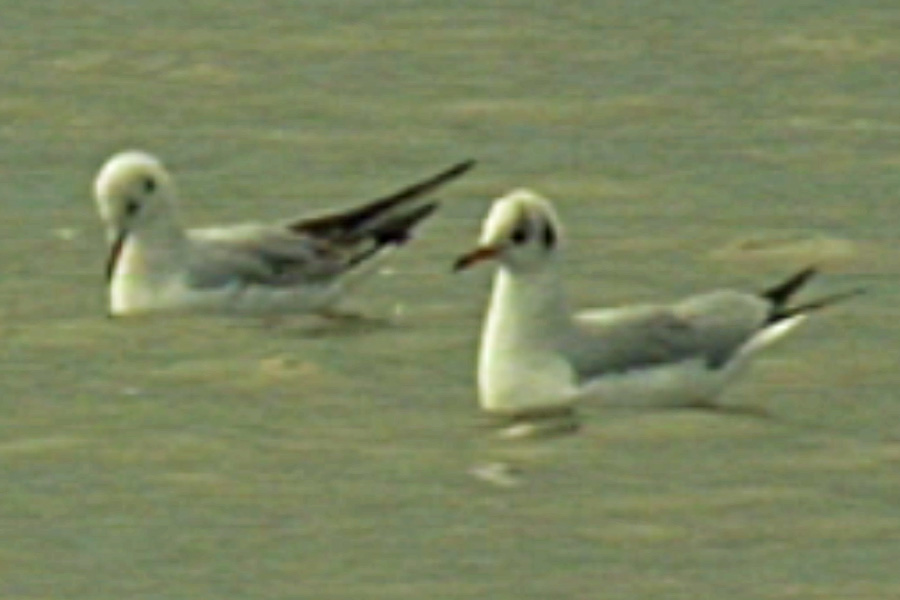
BLACK HEADED GULL. a common visitor especially in winter, seen in large flocks. They are opportunistic feeders, flying close to the lakes surface, diving to catch prey, snatching insects in flight and scavenging from rubbish tips. Breeds in large colonies in reed beds and marshes in northern Europe and Russia. They build their nest on the ground. Both parents feed the chicks by regurgitating food on the groung for the chicks to feed together. They can live for as long as 30 years, with an average lifespan of 15 years. Their population is in decline, as their breeding grounds are effected by global warming.
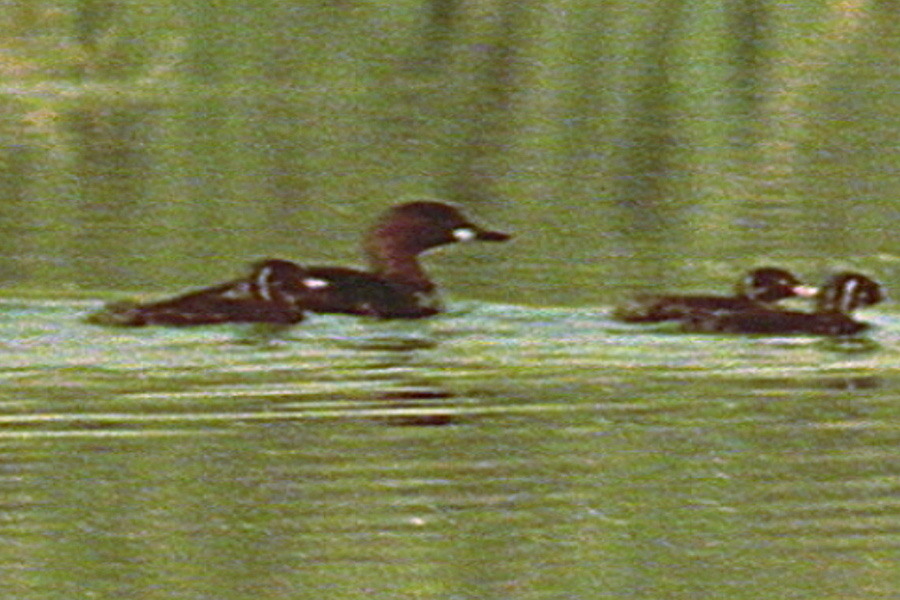
LITTLE GREBE a common visitor especially in winter, with some birds remaining to breed, depending on water levels in the reservoirs and wetlands. A lively reclusive bird, usually hiding among the vegetation, it is an excellent swimmer, constantly diving in search of fish and invertebrates. They breed in solitary pairs in heavily vegetated water, building a floating nest of waterweed on the waters edge, laying 4-6 whitish eggs. Both parents take turns in incubating the eggs for 20 days, the young leaving the nest soon after hatching, guarded by both parents. Chicks can ofen be seen carried on their parents back. They are independent after 30-40 days and can fly after 48 days. Breeding season extends to the end of the summer sometimes with two broods. After breeding little grebes will gather in rich feeding areas in loose groups to moult, during which time they are flightless and vulnerable. A little grebe will live for 10-15 years.
COMMON SNIPE Common passage migrant and winter visitor. A shy bird it prefers wetland with dense vegetation where it feels safer. Feeds on worms and other subterranean animals it digs out of soft mid with its long beak. In March they fly north to norhtern Europe and Russia. Males leave first to establish a nesting site in open marshes and wet meadows joined later by the females. She is responsible for building the nest, laying 4 dark olive eggs which she incubates alone for 18-21 days, The chicks are active and out of the nest a day after hatching, closely watched by both parents. They fledge after 10-20 days, After the chicks are independent the families migrate to their moulting grounds where they stay a few weeks before flying on south from September to October to spend the winter.. The Common Snipe tends to remain faithful to breeding and wintering grounds returning year after year. It will live typically for 3 years with records of birds 16 years old. Drainage and agricultural pressures are leading to a declining population in their nothern European breeding grounds.
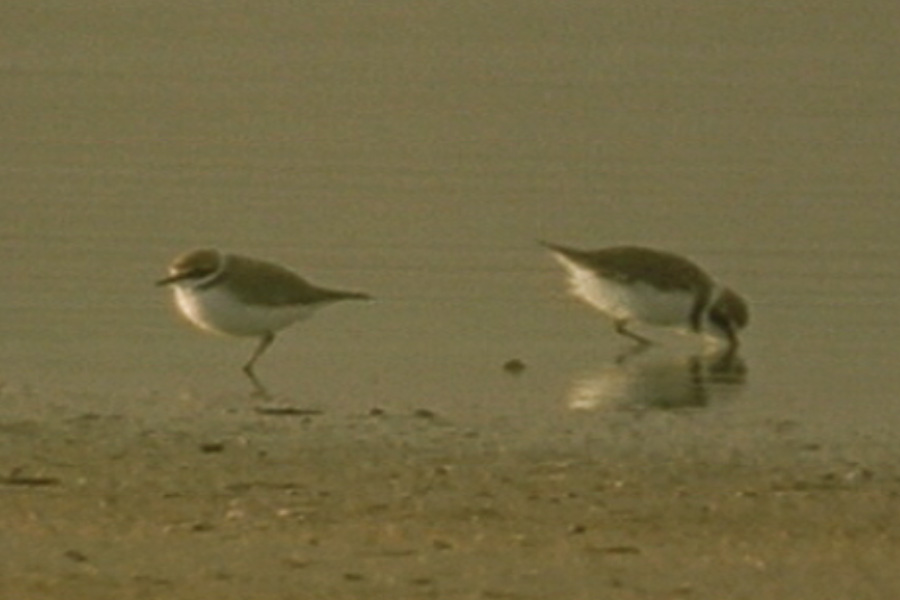
KENTISH PLOVER small resident population with passge migrants arriving in spring and autumn. From March resident birds nest on the shore of saltlake and marshes, building their nest on the ground in shallow scrapes filled with shells, pebbles, grass and leaves. Lays up to three eggs incubatd by both parents, the female during the day and the male by night. Hatching after 24-27 days the chicks are soon able to feed for themselves, and become fully independent after 30 days. Breeding season extends to June when the family colletcts with other plovers in small flocks of 20 - 30 birds. Feeds on small crustaceans and insects.
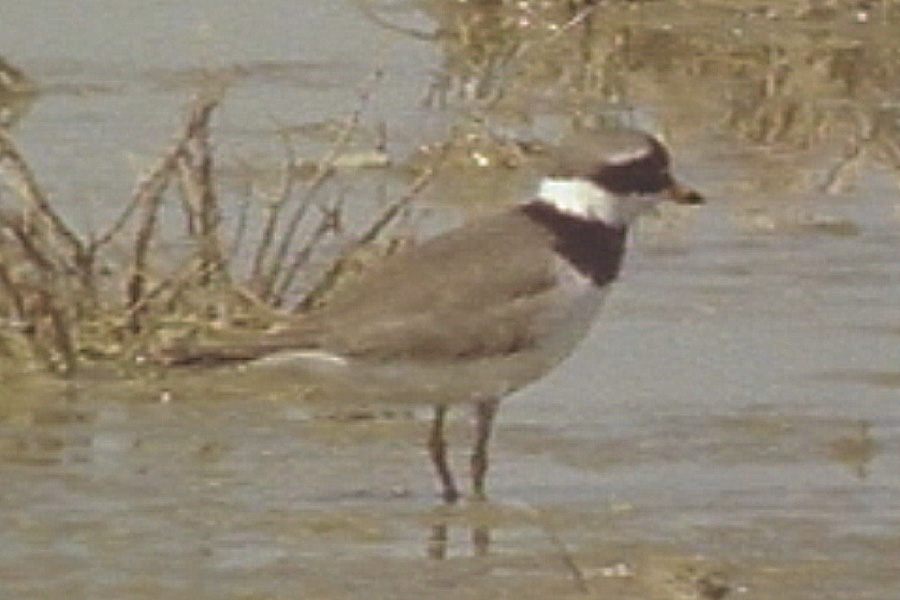
COMMON RINGED PLOVER a passage migrant. Forages for insects, crustaceans and worms, wading at waters edge, standing and watching, running forward, pecking, then standing still gain. In March they return to breeding grounds in northern Europe where they remain till Septemnber, reuniting with the same mate as the previous year. The nest is built in a shallow scrape lined with pebbles and vegetation. Egg laying beginns in May with the 3-4 buff eggs with brown and black spots incubated by both parents. They hatch after 21-27 days, able to feed themselves while still cared for by both parents, fledging after 24 days. The pair bond often carries on from one year to the next. Typically the common ringed plover will live for 5 years, although birds of 21 years have been recorded.
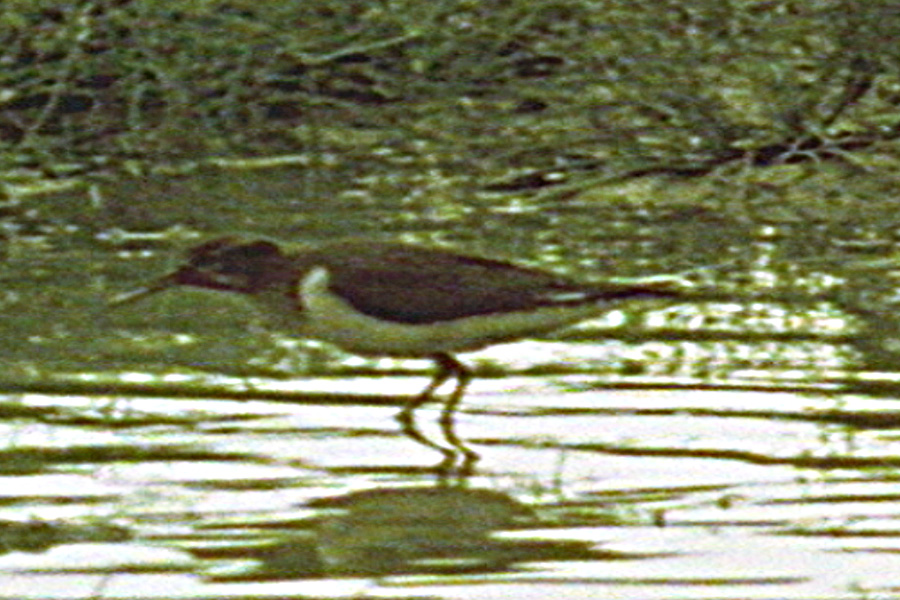
COMMON SANDPIPER A common passage migrant, a wading bird seen more often in spring. A solitary bird, frequents wetlands walking and bobbing his head and tail. It feeds on aquatic molluscs, worms and insects. Leaves for its breeding ground in northern Europe and eastern Russiia in in early May. The nest is built by the female alone on stony ground near freshwater hidden under vegetation, She lays 4 eggs with both parents responsible for incubation, the male by night and the female by day. The chicks hatch after 3 weeks with the males then doing most of the parenting, as the females will leavie before the chicks fledge which occurs after 28 days. In flocks of about 30 birds the common sandpipers sets off for its overwintering ground in July/August, stopping over in Spain to fatten up for the remanining flight south and east.The journey will take about 16 days. Lives for up to 12 years
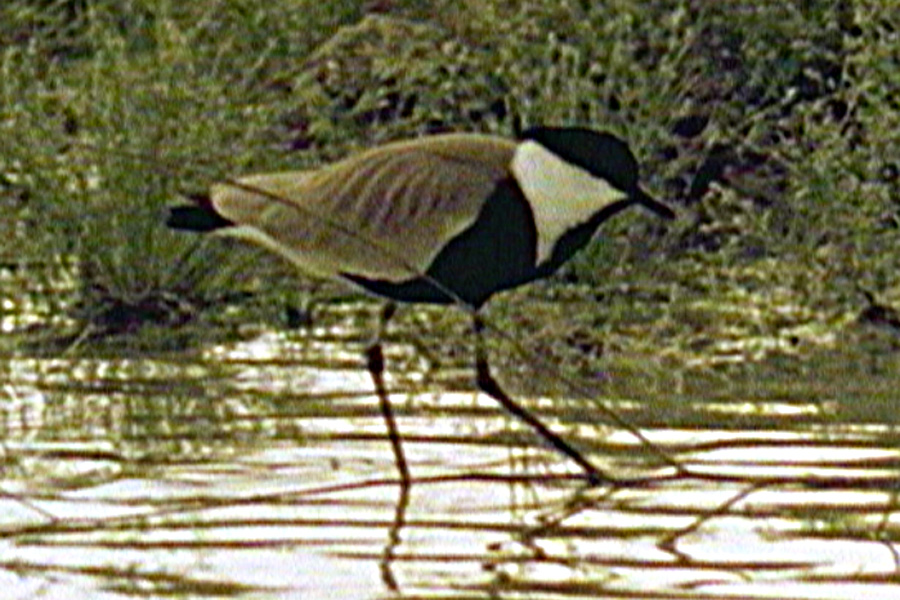
SPUR WINGED PLOVER . A common pasage migrant who has in recent years stayed on to nest. Lives on wetlands and marshes, feeding on microorganisms, beetles and grasshoppers, and insects. It forages day and night, raking the ground with one foot to extract animals just beneath the surface, or flushing animals from their hiding place by stamping its feet, then running to catch them in its beak. From March to September, they nest in solitary pairs, both birds helping to build their nest, a simple scrape on the ground lined with dry grass and twigs, which they will defend by divebombing intruders who stray too close. The female lays 4 yellow white eggs with black specs,at intervals of one egg each day, incubated by both parents for 30-34 days. The chicks leave the nest soon after hatching, cared for and fed by their parents, although they are able to forage by themselves. The chicks fledge after 6-7 weeks, becoming fully independent afetr 8-9 months. Birds pair for life. Outside the breeding season the spur winged plovers joins up in flocks of 15 or so birds.
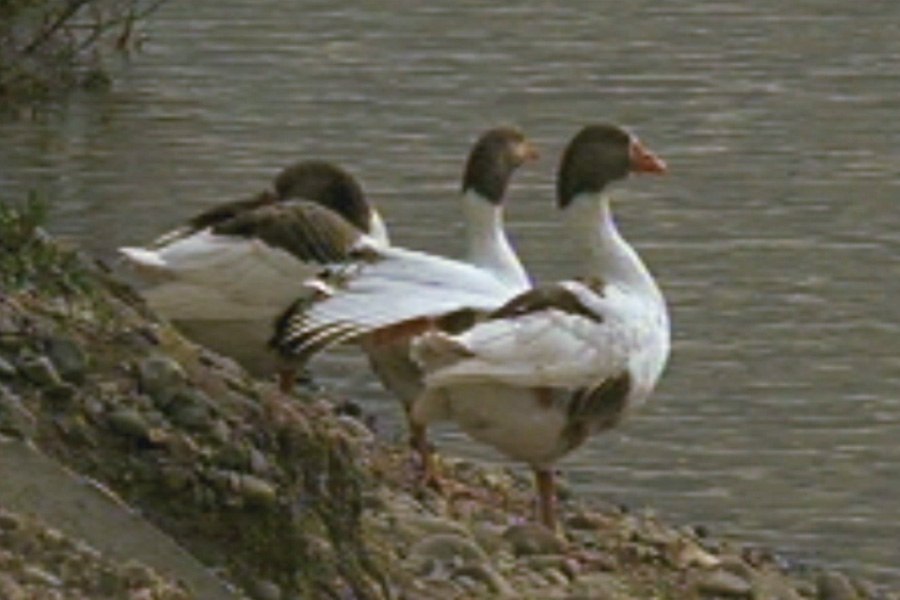
GREYLAG GOOSE A winter migrant from northern Europe, arriving in flocks, overwintering on lakes and marshes, They do not stay on to breed. Sociable by nature they are often seen in small groups. They are herbivores, feeding on grasses, agricultural crops, duckweed and floatining sweetgrass. They return to their breeding grounds in Spring, in Scotland, Iceland, Scandanavia, Poland, Germany and eastward to Russia. Couples mate for life.They build their nests of reeds, grasses, moss and feathers, on the ground in vegetation on marshes and around lakes. They lay a clutch of 3-5 creamy white eggs, laid on sucessive days, incubated by the female. The eggs hatch after 28 days, the chicks leaving the nest soon after hatching, guarded by both parents, becoming fully fledged afer 8-9 weeks. The parents moult their tail and wing feathers in the last month of their chicks dependency. The whole family leaves together in the autumn to their overwintering grounds takiing flight in a V formation. Same sex pairing is quite common, 20% of pairs. Greylags live for 20 years.
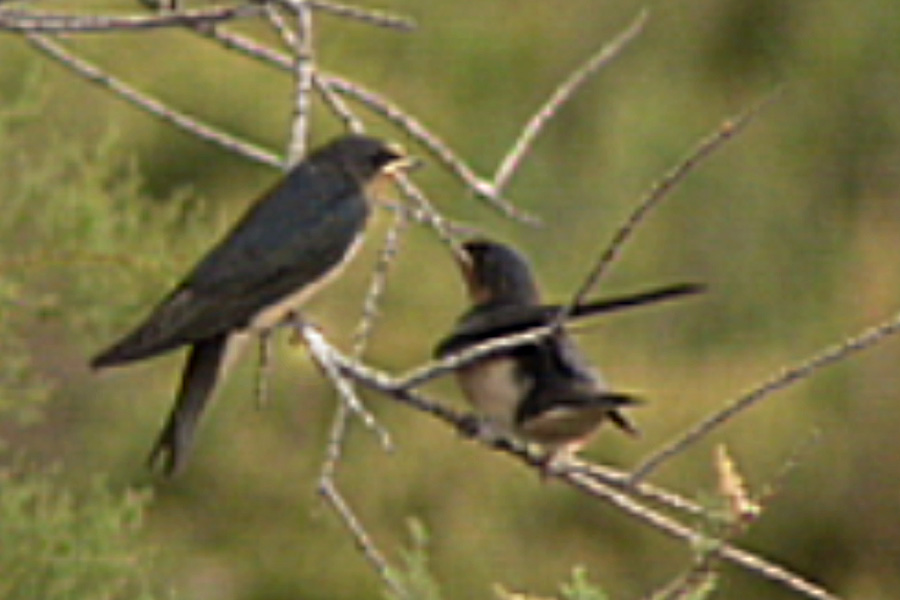
BARN SWALLOW. arrivies in large numbers from Africa in March, the herald of the Cyprus spring. Nests on the island first on the plains, building its nest under the veranda of houses, then, as lowland temperature inreases, flies up to to lay a second brood in the cooler temperature of the hills. The nest is made of pellets of mud meticulously laid one upon the other. With both birds working together the nest takes two weeks to build. Pairs will return year after year to renovate their nest and lay another brood. Nests will survive with annual rebuilding for 10-15 years. Lays 6 white eggs with reddish specs, incubated by the female for 14 to 16 days, with the chicks fledging 18 days later. In autumn the swallow families gather on overhead wires as they prepare to head back south, to Africa. Swallows live for four years. Feeds exclusively from tiny insects caught on the wing.(see swallow video)
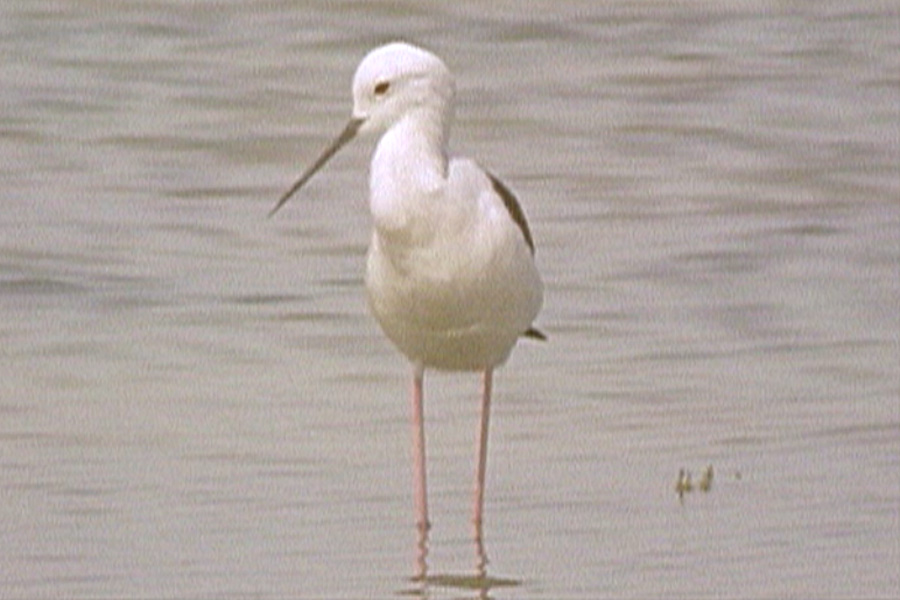
BLACK WINGED STILT (male) A common migrant with some birds staying on to breed. They nest in countries around the western Mediterranean although hotter summers are drying up their wetland breeding sites, forcing them to fly further north to find suitable breeding grounds. They may avoid breeding altogether in hotter dryer summers. Pairs stay together during the nesting period. They are very protective of their nests and will mob any intruder, including humans straying into their territory. Feeds from insects and aquatic crustaceans exclusively in and on water particularly beetles, mayflies and spiders. Can live for up to 12 years.
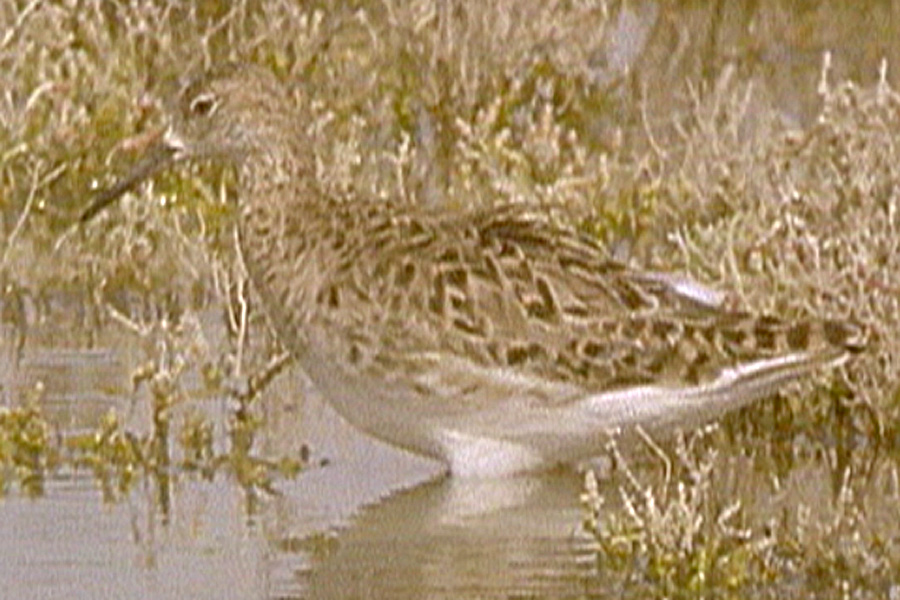
RUFF (f) A common visitor to Cyprus. migrating in large flocks. Males tend to make shorter migratory flights than females who overwinter further south, reducing feeding competition. Males return earlier to their breeding grounds in northern Europe and Russia to secure breeding territory before the females arrive. Females will mate with more than one male, rearing a single brood per year. She lays 4 eggs from mid March to early June, which she incubates on her own and then rares the chicks, which are mobile soon after hatching, on her own. Eggs hatch after 20-23 days, with chicks fledging after another 25-28 days.The male leaves the breeding ground in June follwed by the female one month later when the chicks are independent. The male and the female moult and replace some of their flight feathers before taking off for their overwintering grounds, where they complete the moult. They migrate in large flocks of hundreds of birds flying long distances. The annuall round trip for Russian birds can be as long as 30,000 kilometers. Prefers feeding from shallow water peckng the surface for insects diving deeper for frogs and small fish. They will scavenge by day and night. The average lifespan for a ruff is 4 years although 14 years has been recorded.
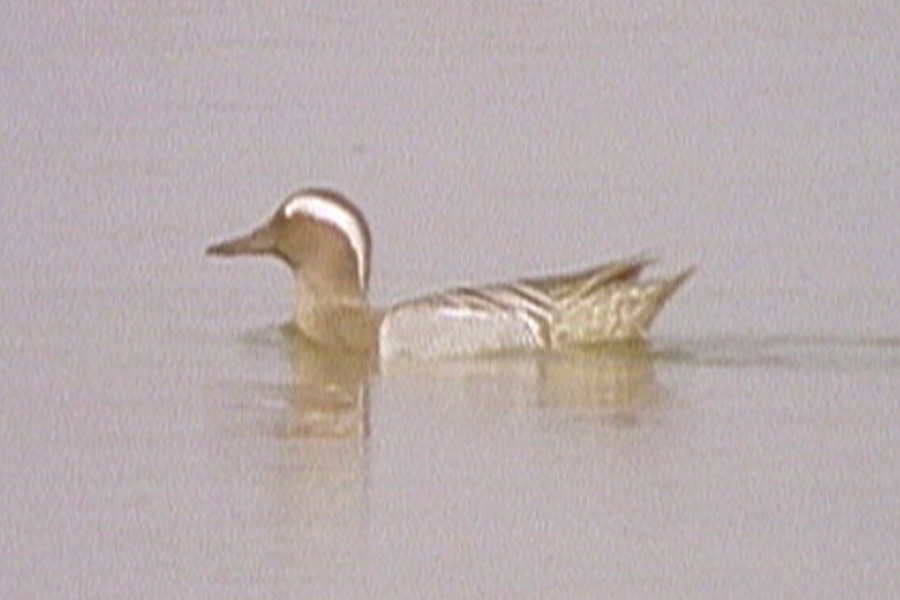
GARGANEY (m) A spring and winter visitor, a secretive bird, living on lakes and wetlands, feeding by day and night by dabbling from the surface of the water for plant matrial and insects. Main breeding sites are in southern Europe but ocasionally single pairs will stays on to breed. They seek out small shallow ponds, with abundant vegetation. the female building the nest in a small depression in the ground under rushes or tall grass. She lays 8-9 pale straw coloured eggs which she incubates for 21-23 days. The chicks fledge after 4-6 weeks. Leaving the nest soon after fledging they are guided by the mother as they search and take in food until they are able to fly and become independent whoch happens after 35-42 days. In August to September, when the breeding duties are over, the female looses her flight feathers, remaining flightless for 3-4 weeks. The males have already moulted from mid July to August. Joining large flocks of several hundred birds they set off on their migration south. Like many wetland birds the garganey is vulnerable to pressure on wetlands from reducing water levels, its population steadily declining, 30% over the last ten years.
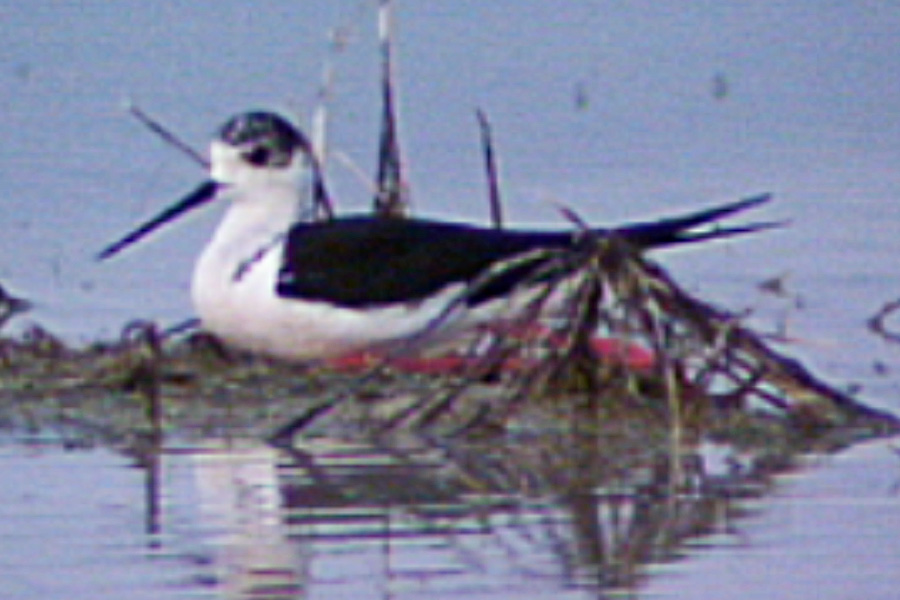
BLACK WINGED STILT (f) common migrant with some birds staying on to breed, building their nests on small islets on marshes, shallow lakes and ponds, usually in small colonies. Both parents share nestbuilding. The female lays 3-4 tan coloured eggs with dark spots, incubated for 22-26 days by both parents, with the chicks running and swimming 24 hours after hatching. They are very protective of their chicks and both parents will mob any intruder. Hotter summers are drying up their wetland breeding sites leading them to look further north for suitable breeding grounds fly. Feeds from insects and aquatic creatures exclusively in and on water.