
BLACK WINGED STILT common migrant with some birds staying on to breed. Hotter summers are drying up their wetland breeding sites forcing them to fly further north to find suitable breeding grounds. Lays 4 white eggs with dark specs incubated by by both parents, hatching after 28-32 days.They are very protective of their nests and will mob any intruder. Feeds from insects and aquatic creatures exclusively in and on water.

RUFF a common visitor to Cyprus. migrating in large flocks.Males tend to make longer migratory flights than females who overwinter further north, reducing feeding competition, and return earlier to breeding grounds in northern Europe to establish territory before the females arrive. Prefers feeding from shallow water on insects, frogs and small fish.
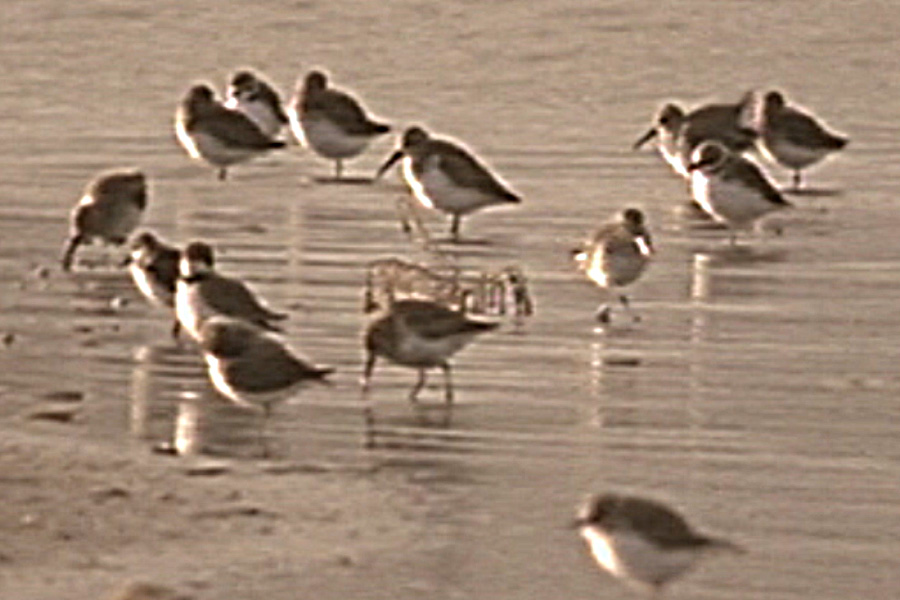
KENTISH PLOVER small resident population with passge migrants arriving in spring and autumn. Resident birds nest on the shore of saltlake and marshes, building its nest on the ground in shallow scrapes filled with shells, pebbles, grass and leaves. Lays up to three eggs incubatd by both parents, hatching after 24-27 days.Feeds on small crustaceans and insects.

BLACK HEADED GULL a common visitor especially in winter, seen in large flocks. They are opportunistic feeders, seen flying close to the lakes surface, diving into catch prey, snatching insects in flight and scavenging from rubbish tips. Breeds in large colonies in reed beds and marshes in northern Europe and Russia, nesting on the ground. They can live for as long as 30 years, with an average lifespan of 15 years. In recent years their population has been in decline, as their breeding grounds are effected by global warming.

COOT the coot is a common winter visitor flying and arriving during the night.In years of good rainfall some birds will breed on the island, building their large untidy floating nest attached to vegetation in shallow water laying 6-9 pinkish eggs with dark brown speckles. incubated by both parents for three weeks. They may have 3 broods from spring to autumn. Chick mortality is high, with only three of nine hatchlings surviving.They feed on plants, favouring shallow water, diving down to pull up vegetation from the bottom, returning to the surface to eat. They also catch insects and fish, snails and larvae. When this food is scarce they will graze on short grass at waters edge. They are weak flyers and so keep themselves safe by remaining in open water often collecting in large flocks.They can live for 15 years but more typically for 5 years.

CRESTED LARK a common resident seen on the plains and hills. It is not migratory, except in far northern Europe, remaining in its birth country through its life. It is a songbird, singing in flight 30-60 meters above the ground. It builds its nest of weeds lined with down and hair on open ground. Female incubates 3-6 pale grey eggs with grey-brown specks, hatching after 13 days. Feeds from seeds and insects.
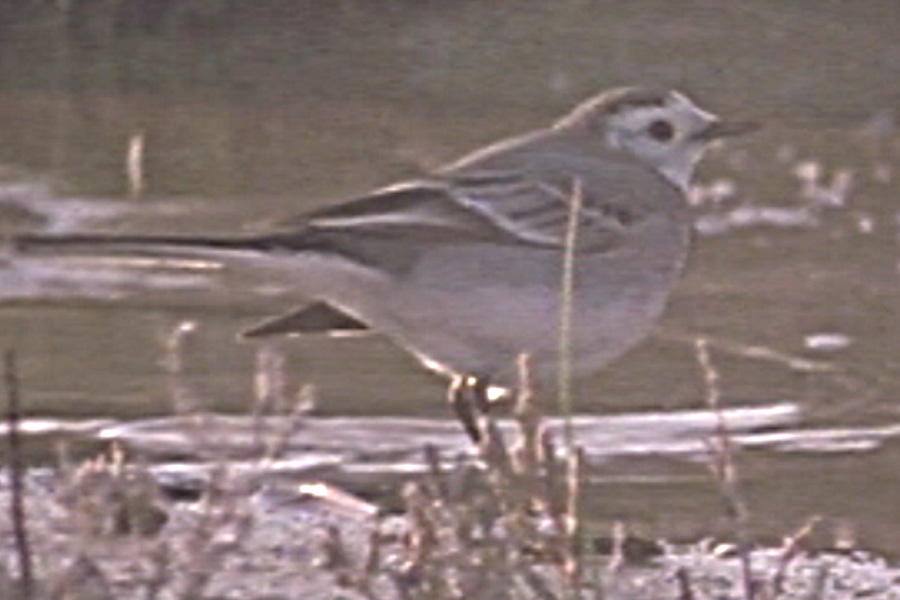
GREY WAGTAIL a common passage migrant, often seen in their hundreds perching on street trees at dusk. Gets its name from its constant tail wagging. Small numbers remain to breed in Cyprus, the majority return to northern Europe and Asia in April. The breeding pair builds their nest from twigs and grass in a hole or crevice in a river bank, in buldings and under bridges. 4-6 cream coloured eggs are laid, tended by both parents, hatching after 12 days with the chicks fledging after a further 12 - 15 days. The white wagtail lives for up to ten years. Feeds from insects, flies, beetles, dragonflies and small fish, foraging along the waters edge.

BLACK HEADED YELLOW WAGTAIL A common spring migrant arriving on the island in large numbers. Seen in wetlands and muddy lake shores. Walks along the gound wagging its long tail up and down. Of the three wagtail races that migrate to Cyprus, only the black headed wagtail stays on to breed, building its nest on the ground made of grass lined with dry hair. Lays 5-6 pale eggs with dark specs,incubated for 13 days. The chicks are fed on insects and small seeds

BARN SWALLOW. arrivies in large numbers from Africa in March, the herald of the Cyprus spring. Nests on the island first on the plains, building its nest under the veranda of houses, then, as lowland temperature inreases, flies up to to lay a second brood in the cooler temperature of the hills. The nest is made of pellets of mud meticulously laid one upon the other. With both birds working together the nest takes two weeks to build. Pairs will return year after year to renovate their nest and lay another brood. Nests will survive with annual rebuilding for 10-15 years. Lays 6 white eggs with reddish specs, incubated by the female for 14 to 16 days, with the chicks fledging 18 days later. In autumn the swallow families gather on overhead wires as they prepare to head back south, to Africa. Swallows live for four years. Feeds exclusively from tiny insects caught on the wing
.(see swallow video)

EUROPEAN STONECHAT a common winter migrant, seen perching on bushes, flying up high into the air while calling then dropping to the ground to feed. Feeds on insects. Its name comes from its call which sounds like two stones tapped together. They are short distant migrants returning to southern and central Europe in March where they breed. on heathland, coastal dunes and grassland. The nest is built by the female alone, close to the ground. 4-6 Eggs are incubated by the female for 14 days before hatching, then cared for by both parents, fledging 14 days later. A pair can raise two or three broods. Lives for 5 years.

RED BACKED SHRIKE.
A common migrant in spring and winter prerfering open habitats, heaths, scrublands and woodland edge.Breeds in southern Europe and western Asia. Population declining in norther Europe caused by agricultural intensification .Lives fo 3-5 years. Feeds on insects, worms and small lizards, impaling its catch on thorns to eat later.

HOUSE SPARROW a very common resident and a passage migrant. Nests in towns in trees and houses, laying 8 whitish eggs incubated by the female for 12-14 days.Feeds on insects, worms, seeds and fruit. (
see sparrow video
-

SPOTTED FLYCATCHER a common spring migrant, with a few birds staying to breed in mountainous regions.Most fly north in April to breed in southern and central Europe. Populations declining in the north due to to cooler summers and insectide use on farmlend leading to decline in insect populations. Prefers deciduous woodlands with open areas. Sits on low bushed to spring up to catch passing insects returning to the same spot on its bush. Build their open cup shaped nest, made of twigs and dead leaves lined with hair, in pine tree bark and in walls and patios, Lays 4-5 pale blue green eggs with dark speckles, incubated by both parents for 12-14 days, with a further 14 days before the chicks fledge. Average life span of 2 years.

SPECTACLED WARBLER a common resident, seen in low scrubland, restless, flying low between bushes, perching briefly on bush tops before diving to cover on the ground.. Nests in low bushes from the end of March, building a cupped nest built from dry grass. Lays 3-5 white eggs with small greenish speckles, incubated by both parents for 12-14 days. Breeds from Febuary to June. Eats insects and worms.

BEE EATER very common migrant, seen in large flocks especially in autumn. Sits on an elevated perch to watch for insects. favouring bees, particularly honey bees. They can spot a bee 60 meters away They sun themselves in the morning sunshine, raising their temperature to save energy, preeinng rigourously to pick out mites and flies Small numbers stay to breed. They nest in colonies digging deep holes into river banks, 90 cms long, taking 20 days to complete a nest. They lay 6-7 white eggs incubated by both parents for 20 days. The chicks fledge 30 days after hatching.

KESTREL common resident and passage migrant. Feeds on insects, predates on rodents, lizards and small birds. Hovers at a height of 10-20 metres, head still, looking to swoop down and catch its prey with its feet. With its acute eyesight it can spot its prey from 50 metres. It needs to eat the equivalent of five voles each say to survive. In May egglayig takes place. Paiirs bond for life, often returning to the same nesting site year after year. Does not build a nest but lays its eggs in natural cavaties in cliffs, hollow trees and houses, laying 3-6 white eggs with red brown speckles, incubated by the female for 27-32 days. When they hatch the chicks are fed by both parents until the chicks flefgie after a further five weeks. A kestrel will live for 4 years with recordsof birds of 15 years longevity. Starvation is the principal cause of premature death with only 30-40% surviing their first year.

HOODED CROW very common resident seen throughout the island in open grassland, wetland and town gardens. Pairs mate for life, building their nests of loose sticks in April high up in trees, carob, eucalyptus and pine. The female lays 4-6 green blue eggs with dark speckles, incubated by the female for 19 days,with the male bringing food, then fed by both parents until they fledge after 32 days. Feeds on insects, worms, small birds and scavanges from dead animals. An intelligent bird,it can adapt to new environments, solve problems and use tools like sticks to get to its food. It will pick up a snail and drop it from a height to break its shell to access its edible flesh.It will hide food, meat, nuts and insects to feed on later. The hooded crow lives for an 4 years with maximum lifespan of 16 years.Will flock with other crows to see off predatory kestrels.
(see hooded crow video)