
ORCHID TREE (Bauhinia variegata) Native to China through Southeast Asia to India .Ornamental street tree. Fast growing, sun loving, flowering April-June. Pollinated by insects and birds, producing hard difficult to destroy seeds. Deep roots prevent soil erosion. Edible buds used in India curries. Sap used as a sweetener. Bark used to make red fabric dye.

BOUGAINVILLEA/PAPER FLOWER (Bougainvillea glabra) Native to S.America. Popular garden plant. Thorny bracts clings to hedges and trees climbing towards the sunlight.. Sap can cause skin rash.

OLEANDER white (Nerium oleander) Common native. Almond scented flowers appear April-July. Pollinated by bees and butterflies. Drought resistant, helps to conserve moisture in the soil. Sap poisonous.

TASMANIAN RED GUM EUCALYPTUS (Eucalyptus camaldulensis) Common. Fast growing. Native to Australia. Introduced to Cyprus to drain mosquito swamps. Aromatic leaves used as an antibiotic and antiseptic. Oil used as an inhalant for catarrh, sinusitis, bronchitis and asthma

CHINABERRY TREE/BEAD TREE (Melia azedarach) Flowering peaks in May. Leaves a natural insect repellent. Fruiting beads used to make rosaries. Fastgrowing, outcompeting other plants for light and able to quickly recolonize abandoned land. Seeds eaten and spread by birds. Tree has a short lifespan of around 20 years.

RED FRANGIPANI (Plumeria frangipani) flowers from Febuary through the year. Sweet scented especially at night, attracting moth pollinators. Despite their strong aroma the flowers do not produce nectar. Absorbs sulphur dioxide from car emissions making it an ideal tree for the streets. Mildly toxicy to humans.Toxic to pets .Used in perfumnes.

OLEANDER (Nerum oleander) Cyprus native. Planted for decoration. Flowers pollinated by bees and butterflies. Grows wild on roadsides on arid and poor soil.. Resistant to drought, polluton and salt spray. Propagates via seed sbut can also grow from stem cuttings.Milky juice is poisonous containing glycosides which can effect the heart.Used in rat poisons and insecticides.

MADAGASCAR PERIWINKLE (Catharanthus roseus)Alien plant native to Madagascar. Flowers from May to the end of the year. Drought resistant and growing on poor soils, spreads easily from gardens to pavements.Toxic to human and animals. Plants alkaloids repell insects.

WHITE MOUTHED DAYFLOWER(Commelina erecta) Displays blue flowers lasting for a single day, pollinated by insects. Also produces flowers that do not open and which self pollinate producing seeds the same as the mother plant.. This dual strategy and its ability to grow on poor, arid soil, leads to its quick spread.

CRIMSON BOTTLEBRUSH (Callistemon citrinus) Native to Australia. Flowers March-July. Fast growing. Leaves contain oils giving out a lemon fragrance. Nectar rich blossoms canbe used to produce honey. Insect pollinated. Deep rootes find water even on concrete pavements, and help to prevent erosion on other soils.
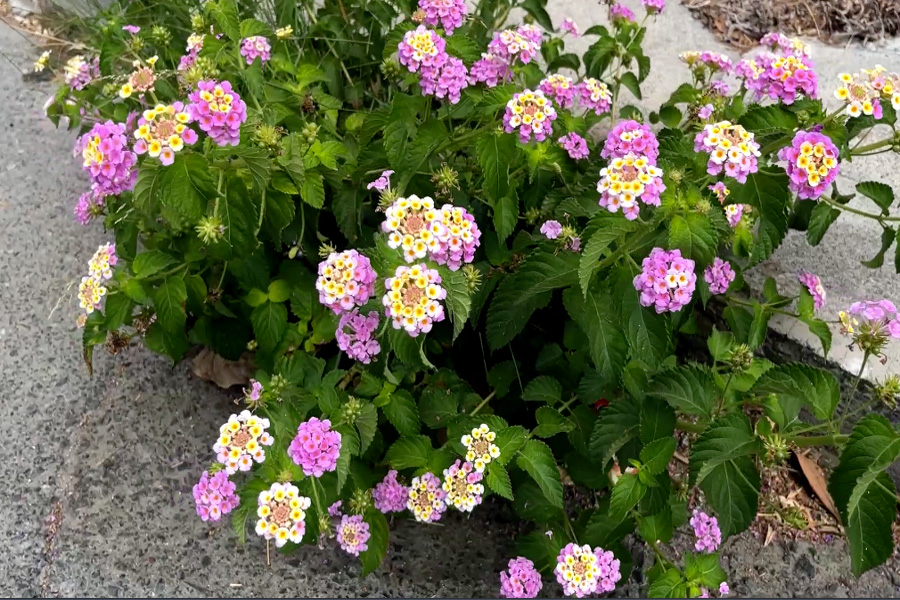
COMMON LANTANA (Lantana camara) Native to South America. Invasive, grows in poor soil, quick to colonise new ground.. Thrives in open sun. . Insect pollinated with very hogh seed production, with over 12,000 seeds produced from a single plant over a year. Birds digest its fruit and disperse its seeds spreading the plant over large areas. Can also reproduce via suckers which roote into the ground. Toxic to pets. Used in treatment of chicke pox,measles and asthma.Helps treat skin itches and ased as an antiseptic.

COMMON MORNING GLORY (Ipomoea purpurea) Native to Southern America. Garden escapee. Flowers May-September. Pollinated by birds and insects.

BOUGANVILLIA/PAPERFLOWER (Bougainvillea glabra) Native to S.America. Popular garden plant. Thorny bracts clings to hedges and trees climbing towards the sunlight.. Sap can cause skin rash. Leaves appear in all colours from blue to white. Tiny white flowers appear at leaves centre.

BLUE JACARANDA (Jacaranda mimosifolia) Ornamental street tree with f lowering peaking in May. Grows in poor soils by turning nitrogen in the atmosphere into nutrients for growth. Insect and bird pollinated. Deep roots work to stabilize soil.

ROYAL POINCIANA/FLAME TREE (Delonix regia) Native to Madagascar. Ornamental street tree. Flowers June-July, again in September. Insect pollinated, seeds able to germinate over a year after being shed, increasing its reproductin potential. Roots bind the soil encouraging plantgrowth. Leaves hold moisture cooling the area beneath the canopy. Seeds mildly toxic to humans and toxic to animals. Trees barks gum used in glue and paint.

BLACK LOCUST (Robinia pseudoacacia) Native to N.America. Blooms March-July. Resilient to frost, high temperatures, drought, atmospheric pollution. Rapid growing. Fargrant flowers used in honey and wine prduction. Reproduced via pollination and through the spread of root suckers. A pioneer species, robust, growing quickly in barren soil. Roots contain nodules that the tree uses to fix nitrogen.
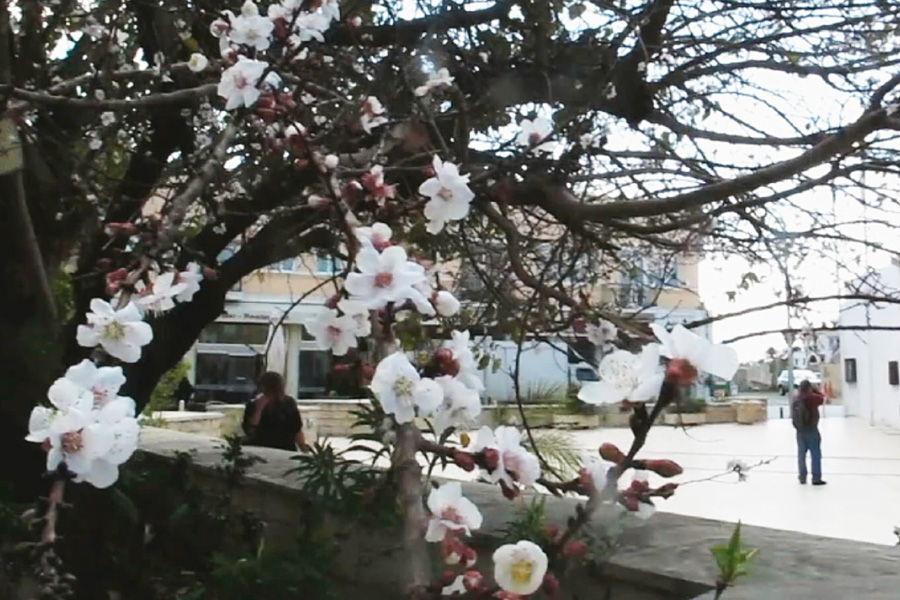
ALMOND (Prunus dulcis) Fliowers early, December-Febuary. Native to Iran, thrives in Mediterranean climate.Deep root system allowing the trees to acess water in dry conditions. Insect pollinated, but seeds will only develop if flowers are pollinated with polen from another almond tree. Orchards need a variety of almond trees for cross pollination to quarantee seed production. Sweet almond edible, but bitter almonds contain traces of cyanide, and need treatment before sold for eating.