
COMMON MARSH BEDSTRAW (Tordylium aegyptiacum) Cyprus native. Common. Can grow in poor and damp soil. Flowers February-April a magnet for pollinating insects. Also spreads via rhizomes. Seeds used to treat indigestion. Seed extract helps to combat jaundice and used as a diuretic.

PERSIAN BUTTERCUP (Ranunculus asiaticus) flowers March-April. contains anemonine and saponin used to treat shingles, rheumatism and arthritis.

COMMON ASPHODEL
(Asphodelus aesitvus) Very common native species. Flowers emerge January-June. Sweet scented.. grows in hot and cold conditions.Tolerates poor soil. Atrracts inect pollinators producing prolific number of seeds to quaranteee regeneration. Roots absorb contaminants cleaning water table. Absorbs ultra violet light used in sunscreen products. Root extracts used to treat dermatitis, tubers to treat syomach disorders. Used also in cosmetics and making glue for cobblers.
toxic
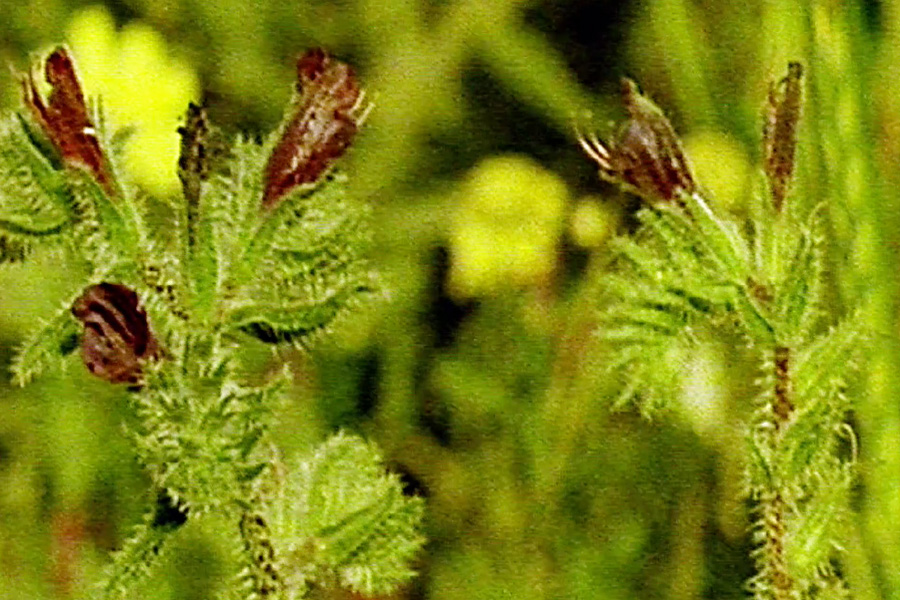
PURPLE VIPERS BUGLOSS (Echium plantageneum) flowers May-August. With deep taproots it is long flowering and a prolific bloomer. Produces copiuoud seeds that remain viable in the ground for many years. Important nectar scource for pollinating insects.Seeds contain omega acids with use for health. Toxic.

TASMANIAN BLUE GUM EUCALYPTUS (Eucalyptus globulus)Fire resistant, regenerating quickly after burning through buds dormant in its bark. Substances emitted by the tree restrict growth of nearby competing plants. Oil used as an antiseptic. Fragrance used in cosmetics. Its bark used in textiles. Wood carved into musical instrument as it has special acoustic properties.

RIVER RED GUM EUCALYPTUS (Eucalyptus camaldulensis)
Native to Australia. Flowers late Summer. Heat and cold tolerant. Home to birds and insects, nesting in its mottled bark. Helps to filter and purify water. Survives bushfires, its seeds requiring heat to germinate. Survives flooding.Toxic.

BULL COTTON THISTLE (Onopordum tauricum) Late bloomer start of Summner. Drought tolerant. Magnet for insects. Substitute for artichoke as edible plant. Used in heart medicine and to treat cancers and ulcers.

SYRIAN THISTLE (Notobasis syriaca) Cyprus native. Flowers February-May. Tolerant of drought and poor soil. Attractive to insects. Propogates by seeds carried by the wind. Leaves and stems edible.

FIELD GLADIOLUS (Gladiolus italicus) Flowers March-April, long flowering. Common native plant. Indicates metals such as copper in the soil. Tolerant of heat, drought and cold as its underground corm stores nutrients to feed growth the nest year. Corms thought to help with sterility. Toxic.

PERSIAN BUTTERCUP
(Ranunculus asiaticus var flavus) common native plant. Flowers march-may. Early flowering provides an early scource of nectar for bees emerging from hibernation. Grows in sun and shade, preferring easily draining soil. Its tuber roots will survive cold and dry conditions. Flower comprised of many petals each a separate flower with its own reproductive system increasing its potential for pollination. Toxic especially when in flower. Used to make yellow fabric dye. Mild scent used in perfumery.
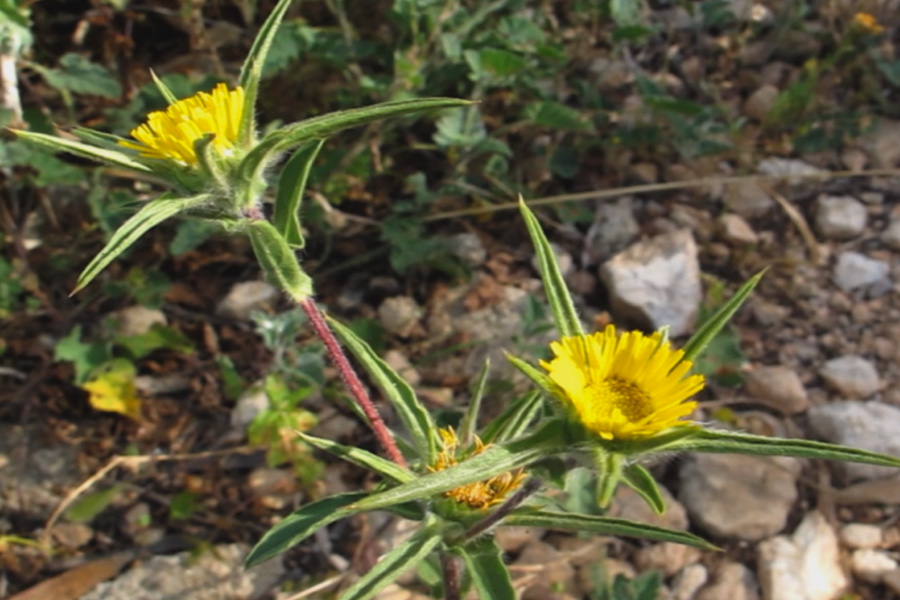
SPINY STARWORT (Pallenis spinosa) Flowers March-July. Native to Mediterranean. Prefers coastal habitats with sunny exposure,. Tolerant of drought , heat and poor soil. Pollinated by insects with winged seeds dispersed on the wind in August/September.Used to treat colds and sore throats.

WHITE LACEFLOWER (Orlaya gradiflora) Flowers March-May. Magnet for bees and butterflies.Tolerates poor soil.Used to digetive problems and heafaches.

MALLOW LEAVED BINDWEED (Convolvulus althaeoides) Common. Flowers March to May. Flowers have a sweet taste and used to ease constipation. Also cultivated in gardens, flowering through hedges.