
GREAT WHITE PELICAN. A very rare winter visitor. A very large birds, weighing up to 15 kilos. Sociable, forming large flocks. Eats fish, with a preference for carp, needing one and a half kilos of fish per day to survive.. It pushes its bill underwater, creating a large pouch which fills with water and fish. Breeds in north Africa in swamps amd shallow lakes forming large breeding colonies. Only two breeding colonies lie in the Mediterranean, in Turkey and northern Greece, with colonies in Romania on the Danube Delta and with 4,000 pair nesting in Russia. Breedong starts in March/April and runs to September/November. They prefer shallow, fresh water, with dense reedbeds for nesting. They form faithful pairs. The male builds the nest in scrapes in the ground, lined with grass, sticks and feathers. The female lays 1-4 eggs, several days apart, incubated by both parents for 29-36 days. While one bird is tending the eggs the other will be out in search of food. The chcks are cared for by both for 20-25 days after hatching. Chicks from different nests will leave the nest after 8 weeks to form pods for mutual protection, while the parents are fishing. A parent will return to find and feed only its own chick in the pod. Usually only one chick will survive to fully fledge after 65-75 days. Autumn migration starts in August with the pelicans forming flocks of up to 75 birds flying at 30-44 kms an hour for 133-160 kms in a day. Average lifespan is 15 years with recorded lifespan of 28 years.
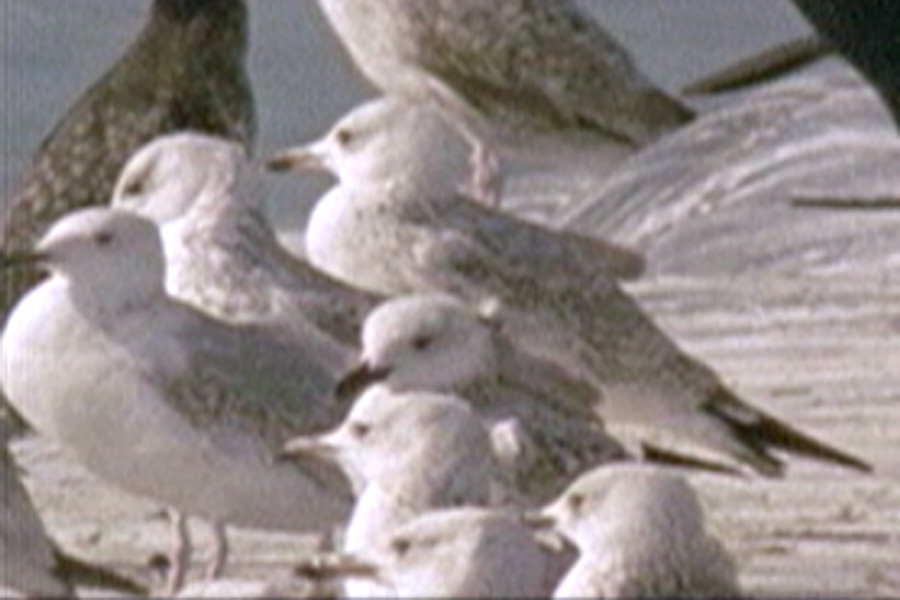
YELLOW LEGGED GULL (f) A comon resident and passage migrant. Opportunistic feeders they forage mainly for fish, flying low, diving to pluck the fish from the water. It will also scavenge from rubbish dumps. Its breeding range extends from Turkey to Morocco Algeria and Tunisia. It breeds in colonies building its nest, a sparse mound of vegetation, on the ground near lakes or on cliff faces. Female lays 2-3 eggs form mid March to early May, incubated by both parents for 28-30 days.The young birds leave the nest after a few days, protected by their parents, and fledge after 35-40 days. Can live for up to 8 years.
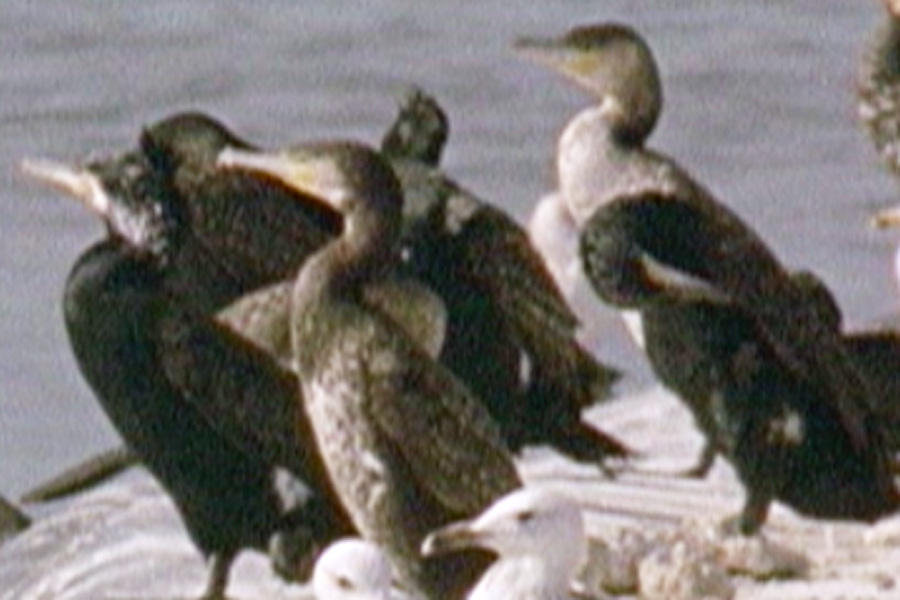
GREAT CORMORANT A regular visitor, more common in Winter. Feeds on bottom dwelling fish from estuaries and freshwater lakes, diving deep into the water for up to 3 minutes. Eats 400 - 700 grams of fish each day. As their feathers are not waterproof they need to sit on rocks after diving, wings outstretched, to dry. They nest in colonies with birds of other species, leaving for breeding grounds in central, southeastern and northern Europe in April. Pairs often return to the same nest in following years and tend to be very vocal protecting their patch. The male chose the nest site, bringing sticks for the female to build the nest. The nest is built in trees, cliff ledges, or on the ground on isolated islands on sheltered lakes.The female lays 3-5 pale blue/green eggs incubated for 28-31 days. Both parents incubate the egg and feed the chicks with regurgitated food for another 50 days after hatching. The pair continue to protect the chicks for another 50 days after they have left the nest. Lifespan of 11 years, with records of 21 years.
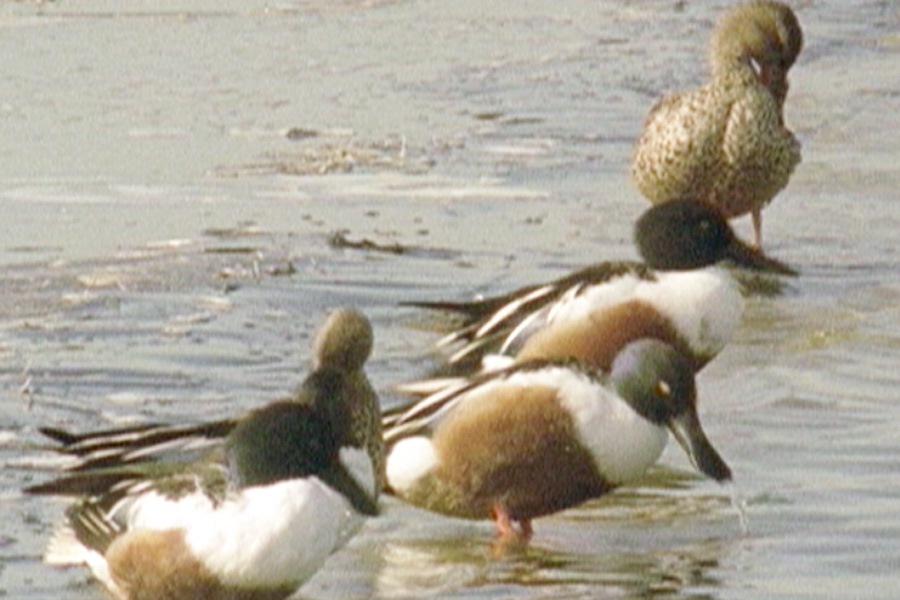
NORTHERN SHOVELER GOOSE A common winter visitor. A quiet bird, dabbling in shallow wetlands, swinging its bill from side to side, filtering sedges, pondweeed, bulrush grasses, invertabrates and zooplankton through its mouth. With their diet made up of 60% plants, shovelers choose to stay on water bodies high in plant material. Pairs form in the wintering grounds before migrating north to their breeding grounds in northern Europe and Russia in April..The pair stay together through breeding. Females build the nest lined with vegetation and down in a shallow depression in the ground in grassy areas away from open water. She lays about 9-12 pale olive eggs incubated by the female for 21-27 days. Within a few hours of hatching the chicks are led to open water by their mother, keeping them concealed in the edge vegetation. The chicks can fly 40-45 days after hatching. Males leave he family before the eggs hatch to join others birds on their molting grounds. The female and the chicks catch up a month later. The molt is quite brief. The family join larger focks to migrate to their wintering grounds. Typical lifespan of 3 years with records of 22 years.
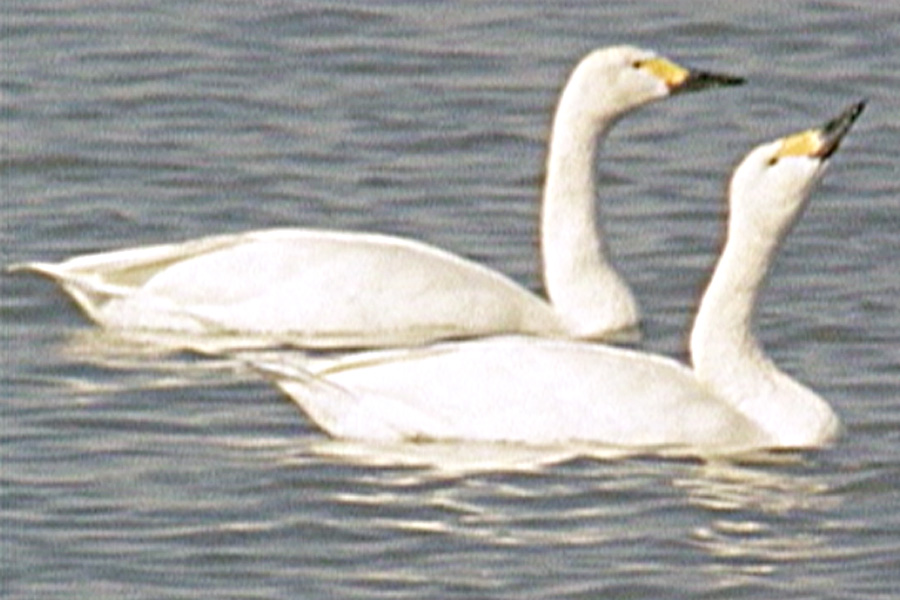
WHOOPER SWAN A rare winter visitor. A noisy bird with its whooping call.. With a weight of 7-14 kilos it is one of the heaviest flying birds, migrating hunreds of miles from its breeding grounds in Scandanavia and Russia. Spends much of its time swimming as their leg cannot support their body weight for a long time. Feeds from aquatic plants and roots favouring fennel pondweed, using their webbed feet to dig in the mud, uprooting shallow rootes and tubers. They will also graze on crops and grass. They pair for life with their cygnets staying with them through the winter. Breed on low lying well vegetated marshland, in solitary pairs. Non breeding swans will gather in flocks. Both male and female build the nest in May. The female lays 4-7 off whiite eggs. The male guards the nest as the female incubates the eggs hatching after 30-32 days. They chicks leave the nest 2-3 days after hatchung,, fledging after 3 months and able to fly after 78-96 days. The whooper swans breed once a year. Once the chicks have fledged adults become flightless for 30 days from July to August as they moult and replace their flight feathers, males moulting before the females. During the breeding season the swans are defensive of their territory but becomre social once they reach their wintering grounds, living in flocks. Live for 9 years with records of 28 year lifespan.
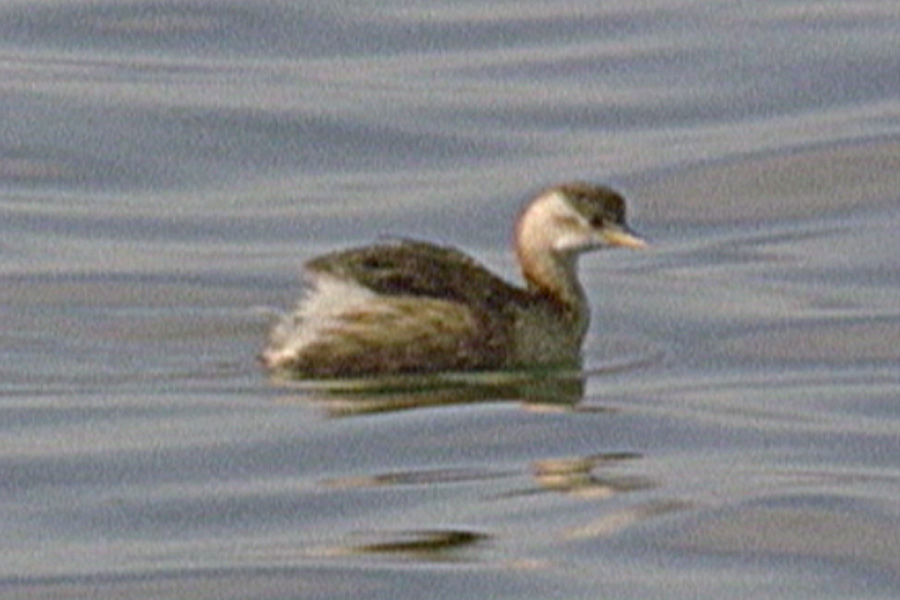
LITTLE GREBE a common visitor especially in winter, with some birds remaining to breed, depending on water levels in the reservoirs and wetlands.A reclusive bird, usually hiding among the vegetation it is an excellent swimmer and diver, a lively bird, constantly diving in search of fish and invertebrates. They breed in solitary pairs in heavily vegetated water, building a floating nest of waterweed on the waters edge, laying 4-6 whitish eggs. Both parents take turns in incubating the eggs for 20 days, the young leaving the nest soon after hatching, guarded by both parents. Chicks can ofen be seen carried on their parents back.They are independent after 30-40 days and can fly after 48 days.Breeding season extends to the end of the summer sometimes with two broods. After breeding little grebes will gather in rich feeding areas in loose groups to moult, during which time they are flightless and vulnerable. A little grebe will live for 10-15 years.